



























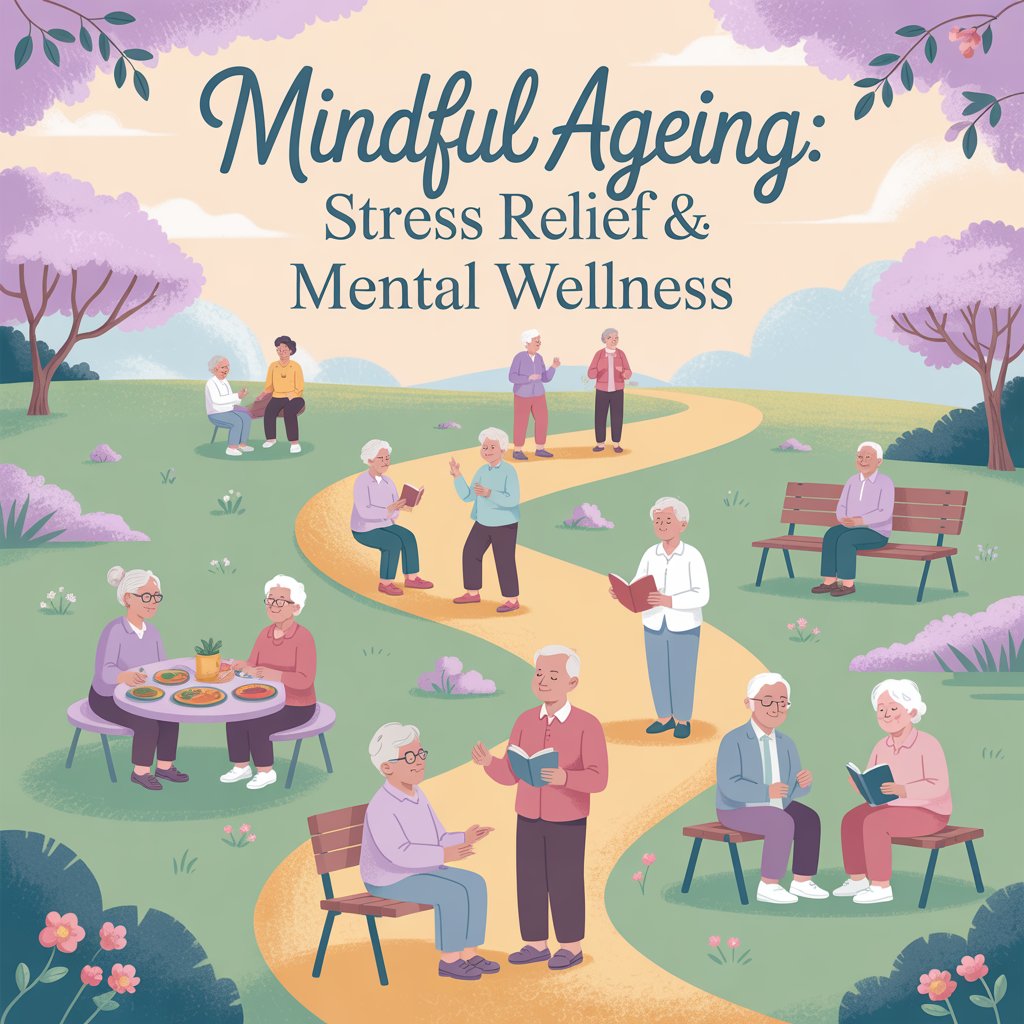
Mindful Ageing—Stress Relief & Mental Wellness

Instructor
About This Course
Copyright © 2024 by Honey Anne

All rights reserved.


No part of this publication may be reproduced, distributed, or transmitted in any form or by any means, including photocopying, recording, or other electronic or mechanical methods, without the prior written permission of the author, except in the case of brief quotations embodied in critical reviews and certain other noncommercial uses permitted by copyright law.


Published on Digyprime.com
HANNI NUR ANNE BINTI HASBI
Curriculum Overview
This course includes 1 modules, 3 lessons, and 0:15 hours of materials.
A positive mindset can reshape how we experience ageing by focusing on opportunities, wisdom, and joy rather than limitations or stereotypes. Instead of dwelling on health issues or lifestyle changes, embracing gratitude, self-acceptance, and new experiences can make later life more meaningful. Ageing becomes a journey of growth—filled with freedom, connection, and purpose—when we celebrate achievements, nurture optimism, and stay open to new possibilities.
Eating well supports both body and mind as we age. Nutrients like omega-3 fatty acids, antioxidants, and B vitamins (B6, B12, folate) are essential for brain health, memory, and mood. These can be found in foods such as fish, nuts, seeds, colorful fruits, vegetables, eggs, and whole grains. Staying hydrated and enjoying small, nutritious snacks also help maintain energy and focus. Overall, a balanced, colorful diet keeps the brain sharp and promotes healthy, joyful ageing.
Moving your body is a simple and effective way to reduce stress and boost mood. Exercise releases endorphins—the body’s “feel-good” hormones—while lowering stress levels and improving clarity and energy. For seniors, gentle activities like walking, stretching, gardening, or dancing support both physical and emotional wellbeing. Even light, consistent movement helps build strength, balance, and happiness—especially when done with friends or at a comfortable pace.
Course Certificate
Course Specifications


Additional Links
Login Register Contact Certificate Validation Become Instructor Privacy Policy Terms of ServicesPopular Categories
High Education AI Technologies Academics Marketing Business Islamic Education LifestyleContact US


Reply to Comment